Training Coverage
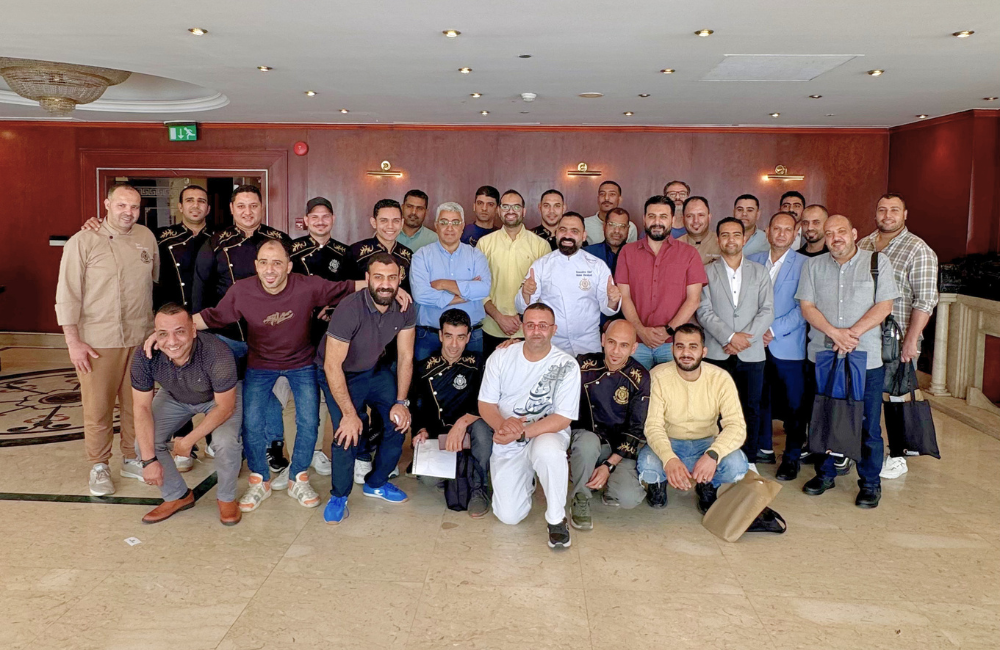

Nestlé Professional, in cooperation with the Egyptian Chefs Association (ECA), recently organized an exclusive training program on Hazard Analysis and Critical Control Points (HACCP), at the Cairo World Trade Center Hotel. The specialized session was designed for chefs and hospitality professionals who are clients of Nestlé Professional and are actively involved in food production, food safety management, and the implementation of HACCP systems within their operations.
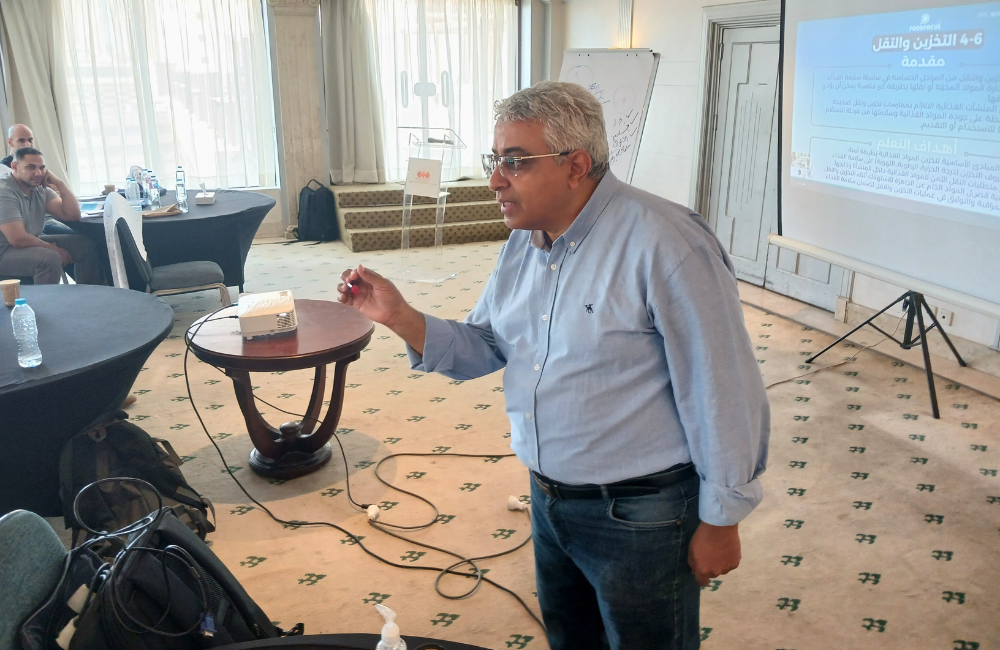
The training was delivered by Dr. Alaa Me’bed, General Manager of Focus Food, who provided participants with a comprehensive introduction to HACCP at the prerequisite level. The program focused on strengthening participants’ understanding of the essential requirements needed to establish and maintain effective food safety systems in professional kitchens and foodservice operations.
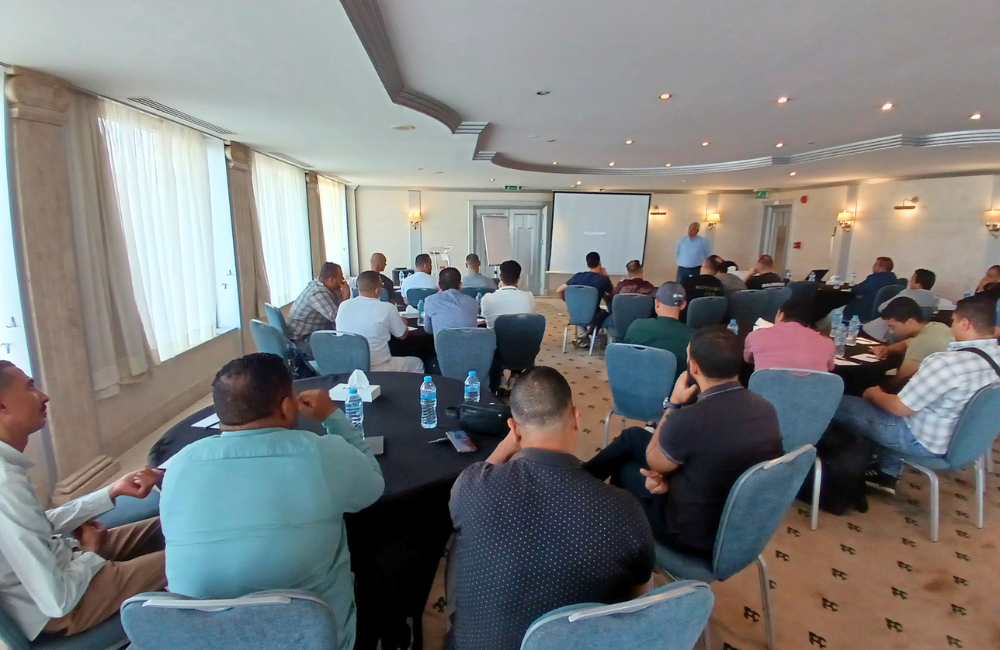
Throughout the training, attendees explored the fundamental principles of infrastructure planning and facility design, highlighting the importance of creating environments that support food safety and operational efficiency. Key topics included water and air quality management, the use of renewable energy sources, and proper waste handling procedures within kitchen operations.
A significant portion of the session focused on hygiene and environmental control measures, emphasizing personal hygiene practices, employee health requirements, and the role of effective cleaning and disinfection programs in preventing contamination. Participants also examined integrated pest management strategies and the importance of maintaining a controlled and sanitary food production environment.
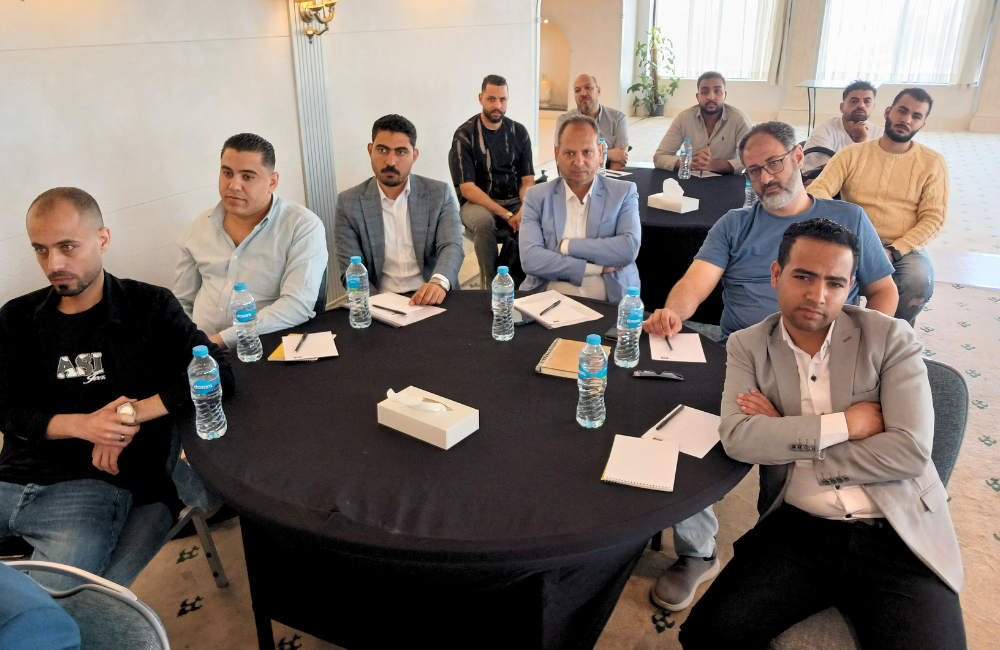
The training further addressed procurement management and supplier approval processes, reinforcing the critical role that trusted suppliers play in ensuring food safety throughout the supply chain. Operational monitoring procedures were also covered in detail, including safe storage and transportation practices, documentation and record-keeping requirements, and the monitoring of critical food handling processes.
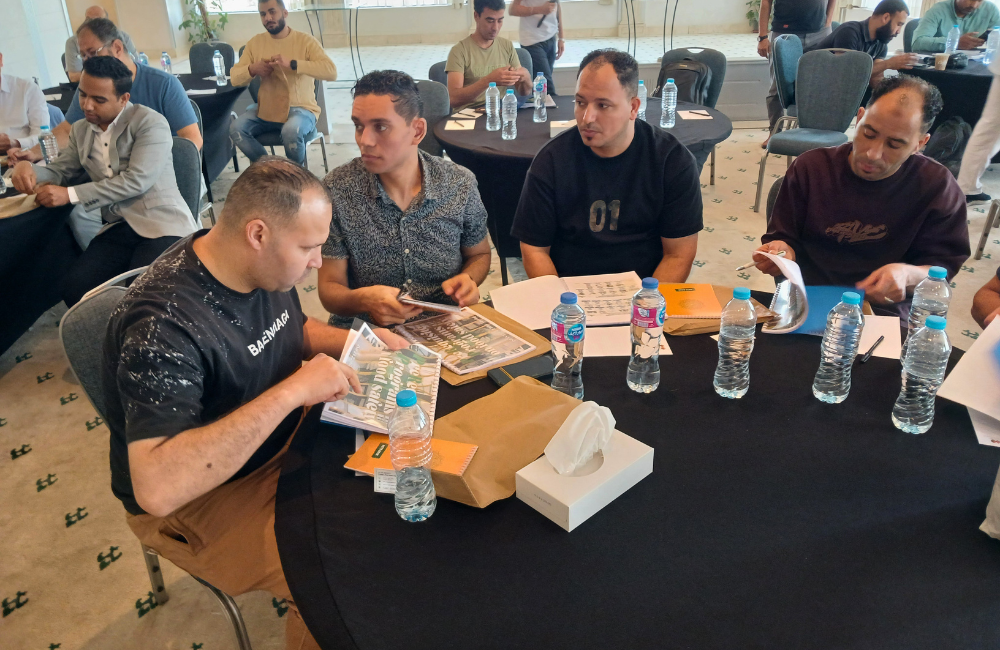
Special attention was given to key stages of food preparation, including receiving, thawing, preparation, and cooking procedures. Participants reviewed the importance of proper temperature control and learned how maintaining appropriate cooking temperatures contributes to the prevention of foodborne hazards.
The final section of the program introduced the HACCP system itself, providing an overview of hazard analysis and critical control points as a structured approach to identifying, evaluating, and controlling food safety risks. The session highlighted how HACCP principles can be effectively integrated into daily kitchen operations to ensure consistent food safety standards and regulatory compliance.
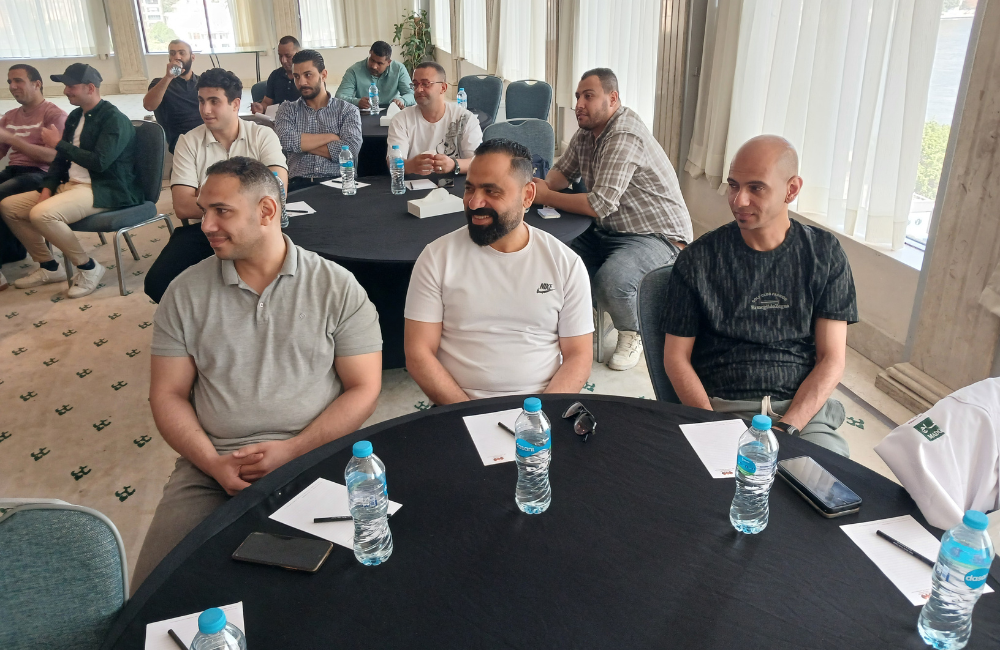
By partnering with industry leaders such as Nestlé Professional, the Egyptian Chefs Association remains committed to promoting best practices in food safety, operational excellence, and continuous education within the hospitality sector.
The training provided participants with valuable practical knowledge and reinforced the importance of maintaining robust food safety systems that protect consumers while enhancing the quality and reputation of foodservice establishments.