Latest News
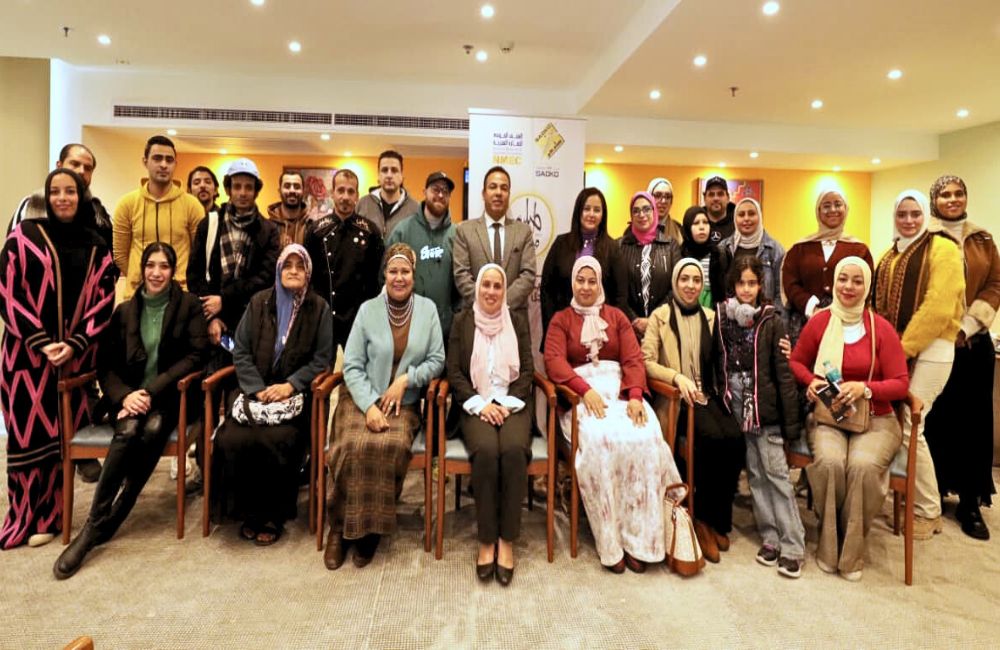
The “Tabliyya Masr” initiative, in cooperation with the Egyptian Chefs Association, recently organized a specialized workshop focusing on intellectual property rights in the culinary field. The event aimed to raise professional awareness about how ideas, recipes, and brands in the food sector can be protected and legally documented.
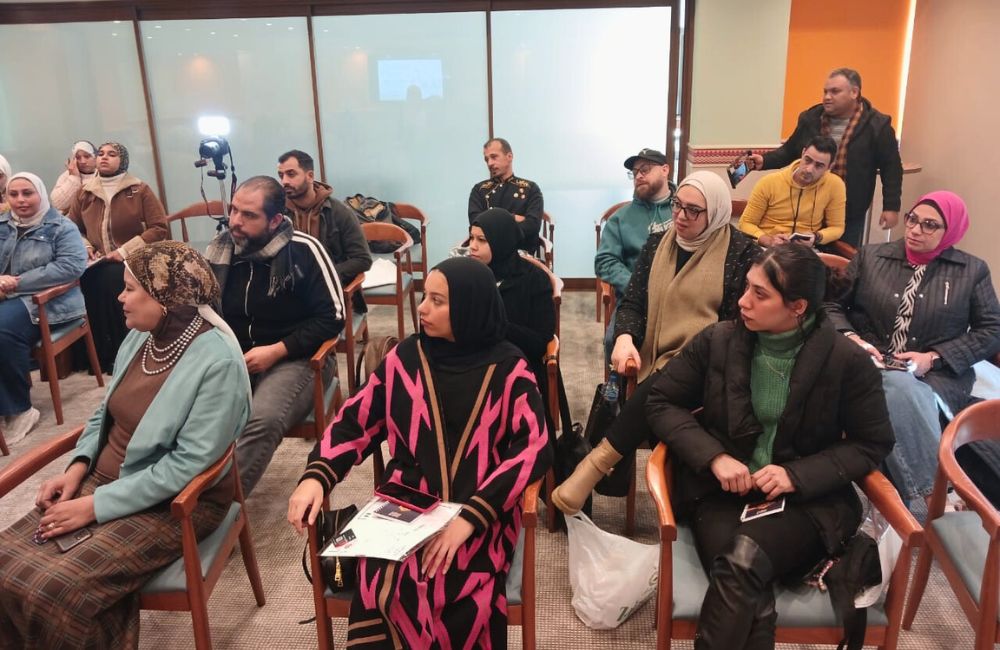
The workshop was held in January at Al-Madifa Hotel, and brought together chefs, researchers, and professionals interested in food heritage and cultural preservation.
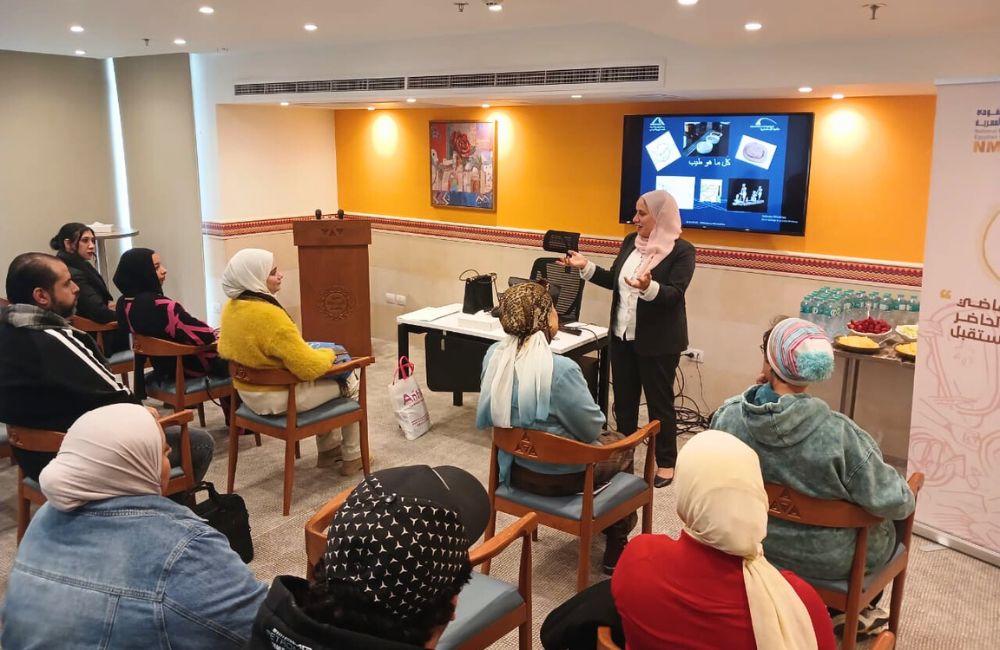
The session featured two expert speakers. Ms. Amira Seddik Ali, Heritage Projects Manager at the Center for Documentation of Cultural and Natural Heritage within the Cultural Communication Sector at Bibliotheca Alexandrina, shared insights from her work in heritage documentation. She was joined by Fatma Seddik, Public Relations and Social Media Officer at the National Council for Persons with Disabilities and a researcher specializing in heritage and intellectual property.
During the workshop, the speakers explained that intellectual property rights in the food sector go beyond well-known dishes. They cover several areas, including types of food, methods of preparation, presentation styles, and food service concepts. Each of these elements, they noted, can carry its own form of intellectual property protection when properly defined and registered.
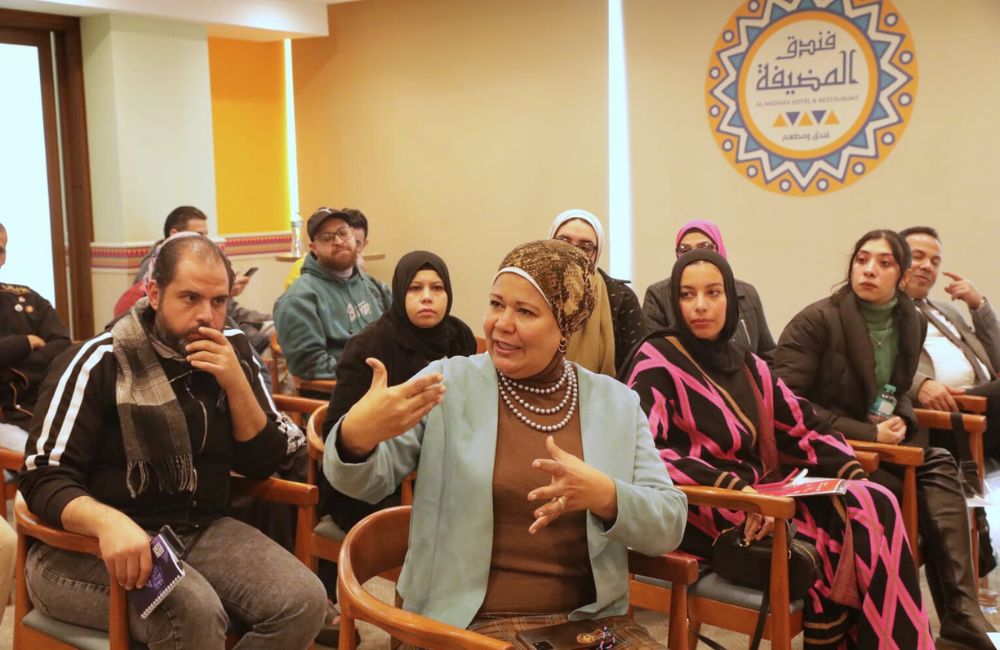
Participants were guided through the basic steps required to register intellectual property rights, along with an explanation of the legal frameworks that apply to culinary practices. The discussion highlighted the importance of documentation, clear attribution, and understanding the difference between individual creativity and collective cultural heritage.
One key part of the workshop addressed common misconceptions. A widely held belief is that koshary is an Egyptian dish in its entirety. The speakers clarified that what has actually been recognized is the Egyptian method of preparing koshary, which has been registered with UNESCO as part of Egypt’s intangible cultural heritage. The dish itself, as a concept, was not registered. This distinction helped attendees better understand how intellectual property and heritage registration work in practice.
The workshop also shed light on the depth of ancient Egyptian food culture. It was noted that ancient Egyptians had more than 200 documented types of bread, including varieties made with “Hab Al-Aziz” and other ingredients. This example illustrated how rich culinary traditions can be preserved through careful research and documentation.
The event aligns with the broader mission of the “Tabliyya Masr” initiative, which is hosted by the National Museum of Egyptian Civilization. Launched three years ago, the initiative aims to revive traditional Egyptian dishes, document them, and work toward their recognition through UNESCO as part of Egypt’s living cultural heritage.
Through workshops like this, “Tabliyya Masr” with the Egyptian Chefs Association, continues to connect food, history, and law, helping professionals better understand how to protect and celebrate Egypt’s culinary identity.