Interview
The opening of the Grand Egyptian Museum in November 2025 marked a major shift in Egypt’s tourism story. Described by officials as a game-changer, the GEM is already drawing record crowds. Its scale and global attention have pushed both the government and the private sector to accelerate plans for new hotel capacity, expanded services, and stronger infrastructure to meet the demand ahead.
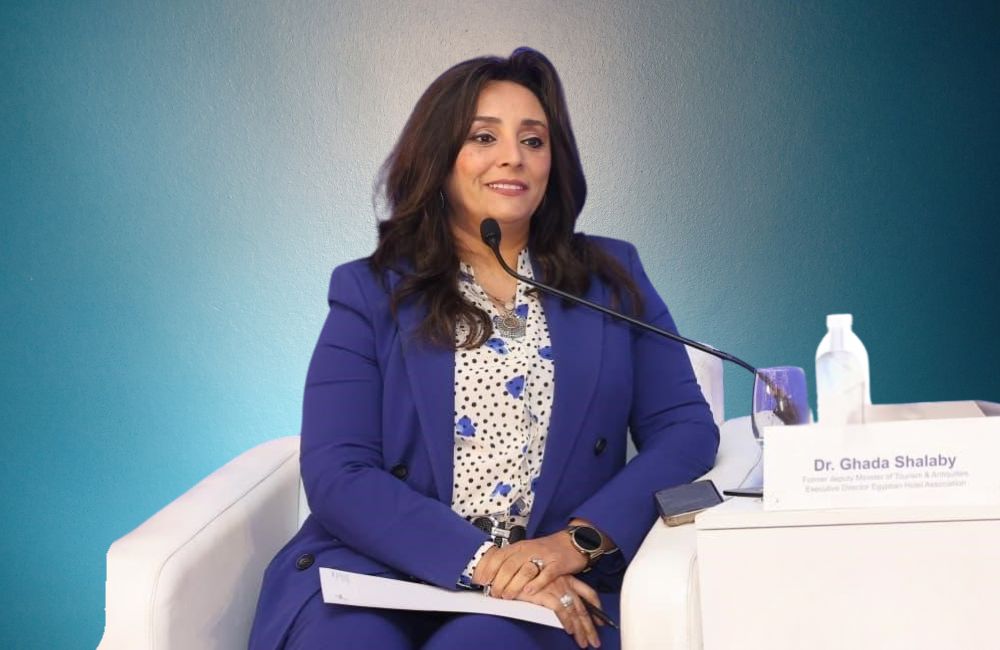
The Egyptian Chefs Association speaks with Ms. Ghada Shalaby, Former Vice Minister of Tourism and Antiquities and current Executive Director of the Egyptian Hotel Association. A recognized leader in tourism and hospitality, she has shaped national policy, advanced digital transformation across the sector, and worked closely with industry partners to raise standards and support sustainable growth. Since 2024, she has led the Egyptian Hotel Establishments Chamber, focusing on innovation, strategic partnerships, and a long-term vision for Egypt’s position on the global tourism map.
In this interview, Ms. Shalaby shares her insights on what the GEM means for Egypt in the months ahead, how the sector can scale in a balanced way, and what chefs, hoteliers, and restaurant owners should prioritize to meet a new wave of international visitors. She also highlights the strategic role of culinary training, the growing demand for global certifications, and the importance of keeping Egypt’s authentic food culture at the heart of the visitor experience, to help ensure that the GEM’s promise becomes a lasting win for Egypt’s tourism and gastronomy.
Interview Conducted by: Amal Bassaly
The Grand Egyptian Museum (GEM) marks a transformational moment for Egypt’s tourism landscape. In the coming months, it will significantly extend visitor stay, diversify travel patterns beyond traditional routes, and attract new high-value market segments interested in culture, education, and heritage travel. The museum also creates strong opportunities for integrated tourism products that connect Cairo with other destinations including the North Coast, Red Sea, and Upper Egypt, through curated itineraries. Additionally, the GEM provides a global platform for partnerships with international museums, technology providers, and cultural institutions. This momentum positions Egypt to elevate its brand, increase repeat visitation, and strengthen year-round demand.
The Ministry of Tourism and Antiquities and the Egyptian Hotel Association are working closely to align hotel capacity, transportation upgrades, and visitor services with expected visitor growth. Our approach prioritizes balanced, sustainable expansion, ensuring quality before quantity. This includes mapping hotel inventory, monitoring occupancy patterns, and guiding investors toward underserved areas. We are also strengthening transport connectivity, digital wayfinding, and standardized visitor service training across the sector. Environmental sustainability remains central, with clear guidelines on energy efficiency, waste management, and responsible land use. By coordinating policy, training, and private-sector engagement, we aim to ensure that Egypt grows competitively while protecting its cultural and natural assets.
To meet rising international expectations, chefs need strong foundations in global culinary standards, menu engineering, and modern presentation techniques, while still highlighting Egypt’s culinary identity. Priority areas include food safety, allergen management, plant-forward cuisine, and techniques that elevate traditional dishes with contemporary flair. Training must also focus on understanding diverse dietary needs, efficient kitchen workflows, and cost-conscious menu design. Strengthening chefs’ ability to tell the story of Egyptian cuisine through modern plating will be essential as more visitors seek authentic, culturally rich dining experiences. Partnerships with culinary schools, international experts, and hotel training programs will play a key role.
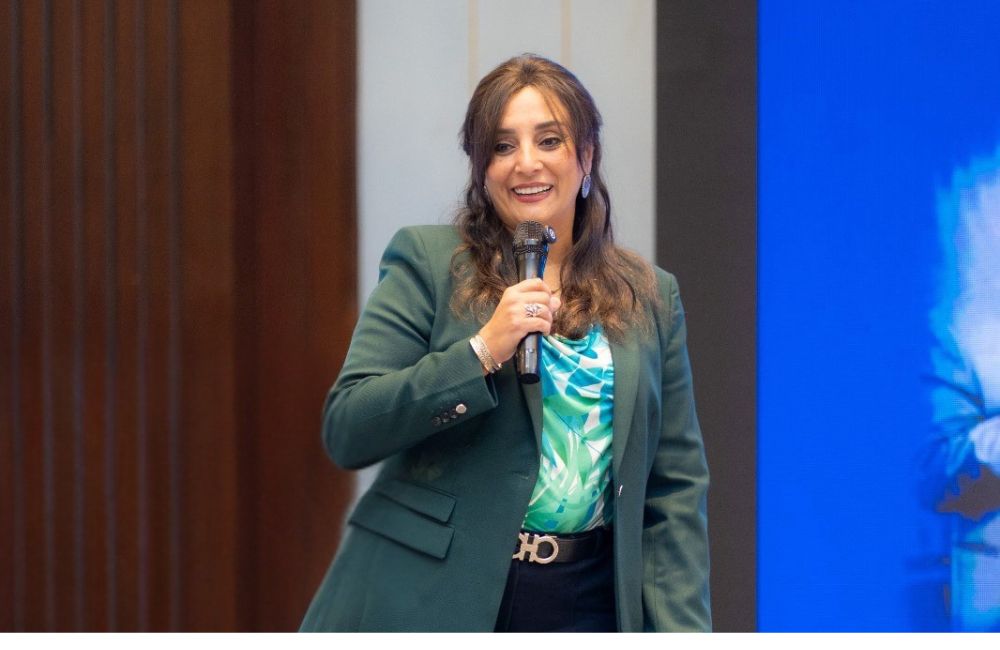
Hotels and restaurants should immediately prioritize guest handling excellence, hygiene compliance, and efficient kitchen operations. With larger visitor flows, frontline staff must be trained in communication, cultural awareness, service recovery, and professionalism under pressure. Kitchen teams require refreshed training in sanitation, time-temperature control, allergen protocols, and food-handling standards. Housekeeping and maintenance teams should also be upskilled to maintain consistency at higher occupancy levels. Digital skills, such as smart check-in systems and online guest communication, are increasingly important. Strengthening these areas will help ensure that every visitor’s experience matches the world-class standard expected following the GEM opening.
As the sector expands, certifications in food safety (HACCP, ISO 22000), allergen awareness, and sustainable sourcing will become essential. Chefs will also benefit from internationally recognized culinary training in menu development, cost control, and modern cooking techniques. Hospitality, customer interaction skills, and understanding dietary restrictions, particularly gluten-free, vegan, and health-driven menus, will be increasingly requested by employers. Sustainability-focused training, including waste reduction, energy-efficient kitchen practices, and responsible ingredient sourcing, is quickly rising in importance as hotels align with global ESG standards. These certifications will help chefs meet the expectations of a more diverse and discerning international visitor base.
As someone who has had the privilege of serving both as Vice Minister of Tourism and worked closely with the Egyptian Hotel Association, the strongest advice for chefs, restaurant owners, and hotel general managers is to prepare proactively and invest deeply in their people. Strengthening teams now, through skills development, service-culture training, and alignment with international best practices, will ensure the industry is ready to capture the expected surge in demand with the opening of the Grand Egyptian Museum.
Beyond operational readiness, this moment calls for a renewed commitment to authentic Egyptian identity, particularly in the culinary experience. Returning to the roots of Egyptian gastronomy can inspire modern, innovative fusion cuisine based on ancient Egyptian ingredients and traditions. Incorporating elements such as lotus, papyrus, heritage grains, and traditional flavors can help create distinctive dishes that reflect the depth of Egypt’s culture, far beyond the familiar staples of Koshary and Falafel. This is an opportunity to unify and elevate national dishes to introduce them confidently to international communities, carrying Egypt’s culinary flag in a thoughtful and contemporary way.
The “Sofret Masr: A Taste of Egypt” project on Google Arts & Culture is a valuable reference in this regard. This one-of-a-kind campaign, one I had the opportunity to contribute to, documents Egypt’s culinary heritage through more than 1,700 high-resolution photos, over 60 cultural stories, and 30 videos showcasing dishes from across the country. It can be explored here: https://artsandculture.google.com/project/taste-of-egypt.
Operationally, it remains essential to uphold the highest standards of cleanliness, safety, sustainability, and clear communication with guests. Continual learning, upgrading knowledge, and building partnerships with training institutions will further support long-term competitiveness.
Finally, storytelling must remain at the heart of the hospitality experience. Visitors may come for the Grand Egyptian Museum, but they will return because of the warmth, creativity, and authenticity of the hospitality they encounter.
This is Egypt’s moment; one that must be maximized collectively and thoughtfully.